How to Keep Your Summer Garden Flourishing: Essential Watering, Mulching, and Heat-Resistant Plant Picks for Busy Gardeners
Summer gardening doesn't have to be overwhelming. With the right strategies and plant choices, even the busiest gardeners can maintain a vibrant, thriving garden through the hottest months of the year.
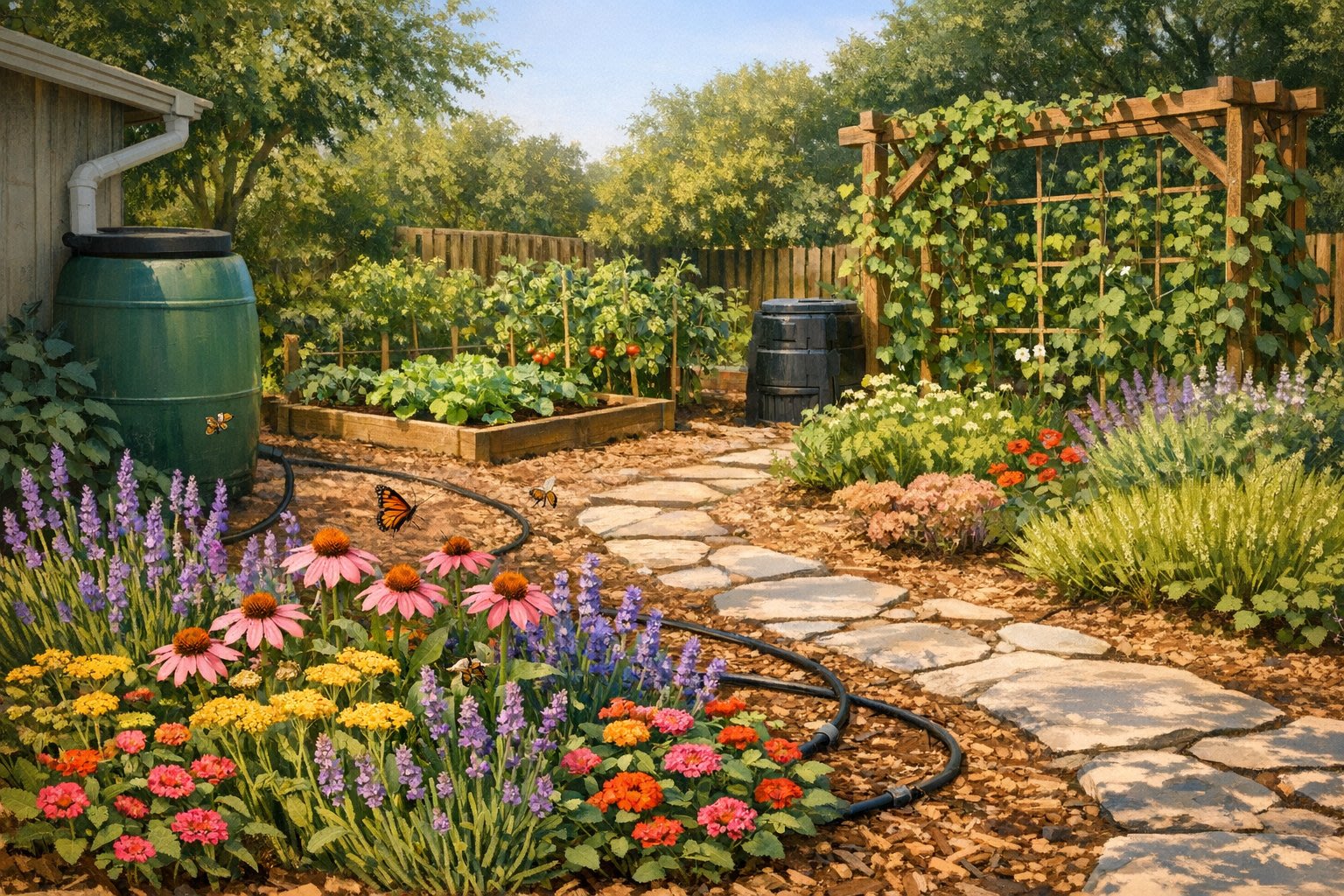
A well-maintained summer garden brings joy and beauty to any outdoor space
Smart Watering Strategies for Summer Success
Water is the lifeblood of your summer garden, but knowing when and how much to water can make all the difference between a thriving garden and a struggling one. The key is to water deeply and less frequently, encouraging roots to grow deeper and making plants more drought-resistant.
Best Practices for Summer Watering
- Water early in the morning: Aim for 6-10 AM when temperatures are cooler. This reduces evaporation and allows foliage to dry before evening, preventing fungal diseases.
- Deep watering is essential: Give your garden 1-1.5 inches of water per week, either from rainfall or irrigation. Use a rain gauge to track moisture levels.
- Focus on the root zone: Water at the base of plants rather than overhead. Soaker hoses and drip irrigation systems are ideal for busy gardeners.
- Check soil moisture: Stick your finger 2-3 inches into the soil. If it feels dry, it's time to water. If it's still moist, wait another day.
- Container plants need extra attention: Pots dry out quickly in summer heat. Check daily and water when the top inch of soil is dry.
💡 Pro Tip: Install a simple timer on your hose or irrigation system. This ensures consistent watering even when your schedule gets hectic, and you won't have to remember to turn off the water!
The Magic of Mulching: Your Garden's Best Friend
If there's one summer gardening task that delivers maximum results for minimum effort, it's mulching. A good layer of mulch is like giving your garden a protective blanket that conserves moisture, regulates soil temperature, suppresses weeds, and even improves soil health as it breaks down.
How to Mulch Effectively
- Choose the right mulch: Organic options like shredded bark, wood chips, straw, or compost work beautifully. They break down over time, enriching your soil.
- Apply 2-4 inches: This depth is ideal for moisture retention and weed suppression without suffocating plant roots.
- Keep mulch away from stems: Leave a 2-3 inch gap around plant stems and tree trunks to prevent rot and pest problems.
- Refresh as needed: Organic mulch breaks down over the season. Add a fresh layer mid-summer if it's looking thin.
- Mulch pathways too: Don't forget garden paths—mulched walkways reduce mud, suppress weeds, and create a polished look.
Proper mulching conserves water and keeps your garden beds healthy
Benefits of Mulching at a Glance
- Reduces water evaporation by up to 70%
- Keeps soil temperature 10-15°F cooler
- Suppresses weed growth significantly
- Prevents soil erosion during heavy rains
- Adds organic matter and nutrients as it decomposes
Heat-Resistant Plant Picks for Low-Maintenance Beauty
Not all plants wilt under summer's scorching sun. Choosing heat-tolerant varieties means less stress for both you and your garden. These resilient beauties thrive in hot conditions and require minimal fussing, perfect for busy gardeners who still want spectacular results.
Top Heat-Loving Flowers
- Zinnias: These cheerful annuals come in every color imaginable and actually perform better in heat. They're also excellent cut flowers.
- Lantana: A butterfly magnet that blooms continuously through summer with minimal water once established.
- Portulaca (Moss Rose): Perfect for hot, dry spots with poor soil. Their jewel-toned flowers open in full sun.
- Salvia: Both annual and perennial varieties offer stunning spikes of color and attract pollinators while tolerating heat and drought.
- Marigolds: Tough, reliable, and pest-deterring, marigolds bloom prolifically in the hottest weather.
Vegetables That Love the Heat
- Tomatoes: Once established, tomatoes thrive in heat (though they may need afternoon shade in extreme climates).
- Peppers: Both sweet and hot peppers love warm soil and hot weather, producing abundantly through summer.
- Eggplant: This heat-loving vegetable actually needs warm temperatures to set fruit properly.
- Okra: Thrives in heat and humidity that would stress other vegetables. Harvest regularly for continuous production.
- Swiss Chard: More heat-tolerant than lettuce, chard provides nutritious greens all summer long.
- Basil: This aromatic herb loves hot weather and grows vigorously when temperatures soar.
Heat-resistant plants bring vibrant color without constant attention
Drought-Tolerant Perennials
Invest in these once, and they'll reward you year after year with minimal care:
- Coneflowers (Echinacea): Native beauties that attract butterflies and tolerate heat, drought, and poor soil.
- Black-Eyed Susans: Cheerful yellow blooms that thrive in full sun and need little water once established.
- Sedum: Succulent foliage stores water, making these plants incredibly drought-resistant with late-summer blooms.
- Russian Sage: Silvery foliage and purple flowers create an airy, heat-loving presence in the garden.
- Lavender: Fragrant, beautiful, and thrives in hot, dry conditions with excellent drainage.
Time-Saving Tips for Busy Summer Gardeners
Even with the best plants and practices, summer gardening requires some time investment. Here are strategies to maximize your garden's health while minimizing your workload:
- Group plants by water needs: Create zones in your garden so you're not overwatering drought-tolerant plants or underwatering thirsty ones.
- Automate where possible: Drip irrigation systems with timers are worth the investment for busy schedules.
- Deadhead efficiently: Spend 10 minutes every few days removing spent blooms to encourage continuous flowering.
- Weed when soil is moist: Weeds pull out more easily after watering, making the task quicker and less frustrating.
- Harvest regularly: Vegetables like zucchini, beans, and cucumbers produce more when picked frequently.
- Accept imperfection: A slightly wild garden is still beautiful and supports more beneficial insects than a pristine one!
Bringing It All Together
A flourishing summer garden doesn't require hours of daily maintenance. By implementing smart watering practices, leveraging the power of mulch, and choosing heat-resistant plants suited to your climate, you can enjoy a vibrant, productive garden even with a packed schedule.
Remember that consistency matters more than perfection. A regular watering schedule, a good layer of mulch applied once, and the right plant choices will carry your garden through the summer with minimal intervention. Your garden should bring you joy, not stress—and with these strategies, it absolutely will.
Ready to Transform Your Summer Garden?
Start with one or two of these strategies this week. Your plants—and your schedule—will thank you!
Happy gardening! 🌻🌿